TL;DR:The best reading apps for ADHD kids depend on where your child gets stuck. Research shows that children with ADHD often struggle more with retaining central ideas from text than with decoding itself, partly due to working memory demands. That means some children need structured phonics instruction, while others need comprehension scaffolds like audiobooks or narrated text. This guide separates apps into (1) apps that teach kids how to read and (2) apps that support reading and comprehension - so you can match the tool to your child’s real bottleneck.
If you’re looking for the best reading apps for ADHD kids, you already know reading can feel uneven. Your child might decode beautifully one day and melt down the next. That’s not laziness. It’s often cognitive load.
Studies have shown that children with ADHD can demonstrate a “centrality deficit,” meaning they recall fewer main ideas from a passage even when word reading is comparable to peers. Working memory and attention regulation play a big role.
So instead of asking “What’s the best reading app?” the better question is: What kind of support does my child need right now?
How to Choose the Right Reading App for ADHD
Struggles with letter sounds and blending? Choose structured phonics instruction. Decades of research shows that systematic phonics instruction significantly improves early reading outcomes.
Decoding is okay, but stamina collapses? Add narrated books or audiobooks to reduce cognitive load.
Reads words but misses the main idea? Use text + audio supports to reinforce meaning.
Motivation drops fast? Choose short, gamified lessons with visible progress.
If you're also navigating math learning differences, our guide on Math vs Reading Disabilities can help clarify overlapping concerns.
Category 1: Apps That Teach Kids How to Read (Phonics & Decoding)
1. Teach Your Monster to Read
Best for: Structured phonics in game format
Ages: 3–7
Teach Your Monster to Read delivers early reading instruction through a structured, level-based adventure game. The program follows a clear phonics progression, beginning with individual letter sounds and gradually introducing sound combinations, high-frequency words, and simple sentences.
Children move through the content in a fixed sequence, reinforcing skills through repeated exposure across mini-games. The narrative framework and reward system can increase engagement for children who respond well to goal-oriented play.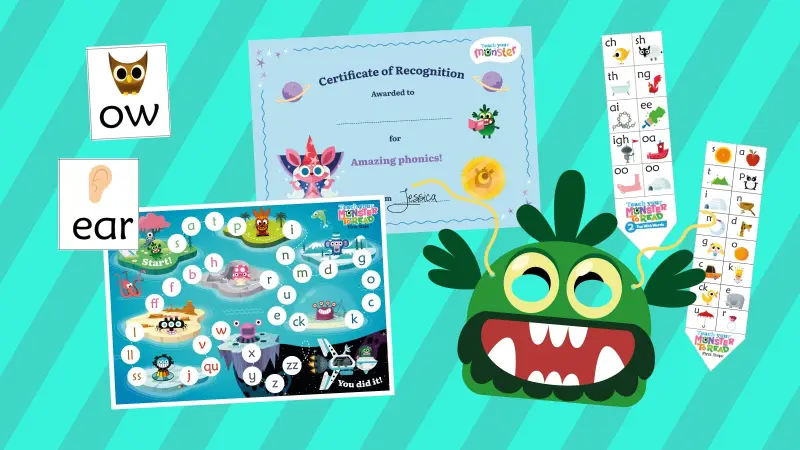
2. Hooked on Phonics
Best for: Curriculum-style phonics pathway
Ages: 3-8
Hooked on Phonics is a subscription-based reading program that follows a sequential phonics progression. Children begin with letter recognition and sound mapping, then advance to common letter combinations, word building, and simple decodable texts. The program offers two starting points based on whether a child already knows their letter sounds.
Lessons are delivered through short songs, interactive activities, and guided practice. Because children move through a defined pathway, skills are introduced in a controlled order rather than through open exploration. This can be helpful for families who prefer a curriculum-style structure.
The app focuses primarily on decoding and early word reading. Some subscription plans also include optional physical books and workbooks that align with the digital lessons.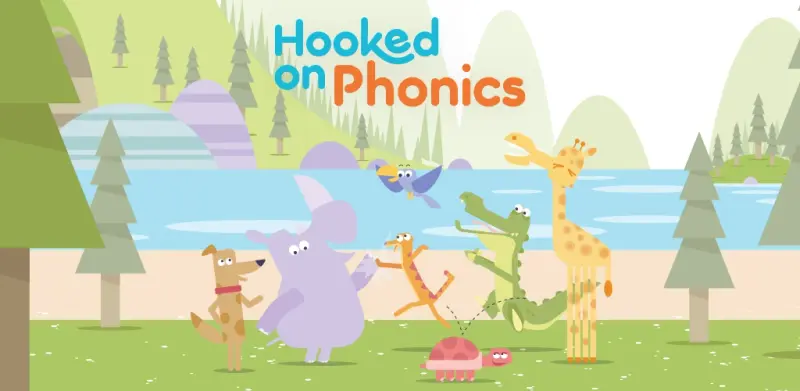
3. Read with Ello
Best for: AI-supported oral reading and fluency development
Ages: 4-8 (early readers through Grade 2, and longer for students who need additional fluency support)
Read with Ello is an interactive reading app that listens as children read aloud and provides real-time feedback. Using speech recognition technology, the app detects mispronunciations or hesitations and prompts children to sound out unfamiliar words, often breaking them into syllables before guiding them back into the story.
The platform pairs children with developmentally appropriate books matched to both reading level and interests. Rather than functioning as a full literacy curriculum, Ello is designed to supplement early reading instruction by supporting decoding practice and building oral reading fluency.
Lessons are structured around guided book reading rather than isolated skill drills. As children read, the system offers immediate coaching similar to a one-on-one tutor, helping reinforce phonics-based decoding strategies while minimizing frustration.
Progress is monitored in real time, and the app adjusts book levels as skills improve. A built-in reward system encourages consistent reading practice, and families can choose between digital-only access or a subscription that includes monthly shipments of physical paperback books aligned to the child’s reading level.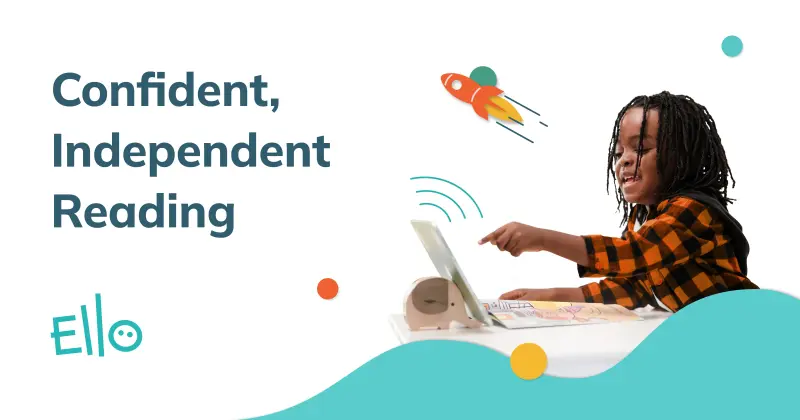
4. Readability Tutor
Best for: Real-time oral reading feedback and fluency practice
Ages: 5-11 (Kindergarten through Grade 5)
Readability Tutor is an AI-powered reading app that listens as children read aloud and provides immediate corrective feedback. Using speech recognition technology, it detects mispronunciations, models correct pronunciation, and prompts children to try again before moving forward.
The app supports decoding, fluency, and comprehension. After each story, children answer spoken comprehension questions, and the system evaluates their responses in real time. A wide range of leveled books allows students to progress gradually while parents and teachers monitor accuracy and growth through built-in reports.
Designed to supplement adult support, Readability increases opportunities for independent reading practice when parents or teachers are not available.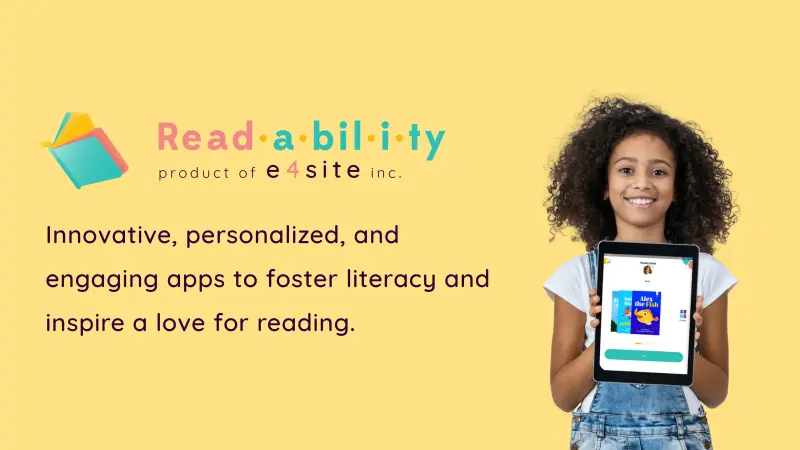
5. Phonics Hero
Best for: Systematic synthetic phonics instruction
Ages: 4–7 (early readers and beginning spellers)
Phonics Hero is a step-by-step phonics program that takes children from learning individual sounds to reading full sentences through interactive games and short teaching videos. A placement activity sets the starting level, and progression is locked so children master each skill before moving forward.
The program follows a structured synthetic phonics sequence: learning sounds, blending to read, segmenting to spell, mastering tricky words, and applying skills in sentences. Audio models support accurate pronunciation, while in-game rewards and certificates encourage consistent practice.
Parent and teacher dashboards provide clear reporting, level controls, and progress tracking across reading and spelling skills.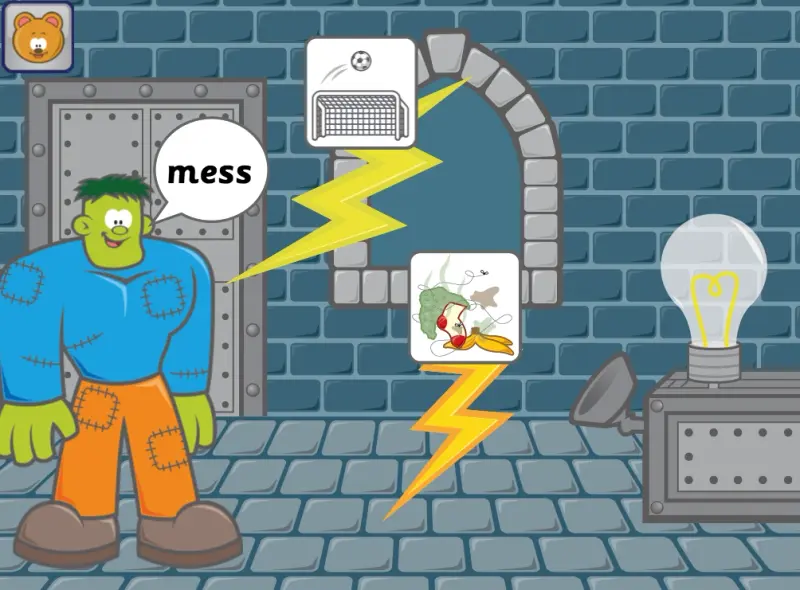
6. Funnix
Best for: Intensive, highly structured decoding instruction
Ages: 4-8
Funnix is a systematic reading program based on Direct Instruction principles. It provides scripted, explicit lessons that teach phonemic awareness, blending, segmenting, and early decoding in a carefully sequenced format.
Lessons are delivered through clear modeling and guided practice, introducing skills step by step and requiring mastery before moving forward. The structured design makes it particularly suitable for children who benefit from strong scaffolding and predictable routines.
While less game-based than many modern apps, Funnix focuses on consistent, research-aligned instruction aimed at building solid decoding foundations.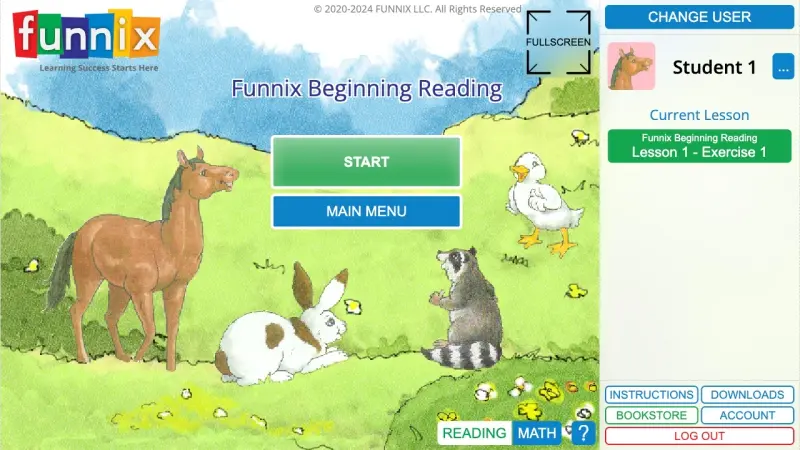
Category 2: Apps That Support Reading & Comprehension
7. Epic
Best for: Choice-driven independent reading
Age range: 2-12
Epic is a subscription-based digital reading library that provides access to thousands of fiction and non-fiction titles for children. Rather than teaching reading skills directly, the platform focuses on giving children broad access to books across genres, including STEM topics, graphic novels, biographies, early readers, and multilingual selections.
Many titles include “Read-To-Me” or audiobook options, allowing children to follow along with highlighted text while listening. This can support developing fluency and help reduce the cognitive load of decoding for children who benefit from audio scaffolding.
Epic allows multiple child profiles within one account and includes progress tracking features such as reading time, books completed, and milestone badges. Books can also be downloaded for offline access.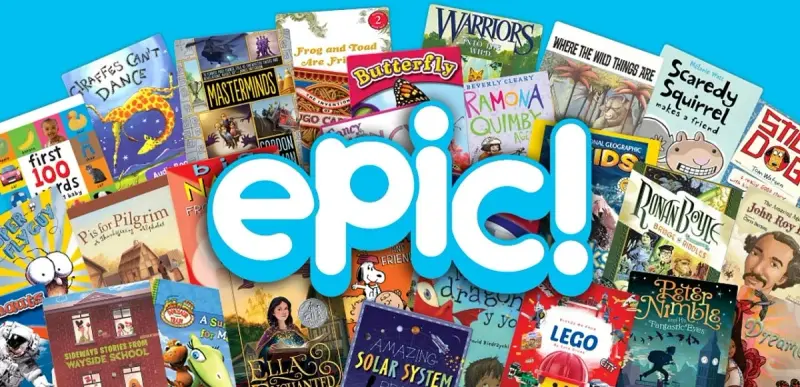
8. Learning Ally
Best for: Academic audiobook support for struggling readers
Age range: 7-18
Learning Ally is a nonprofit literacy organization offering a large collection of human-narrated audiobooks and accessible reading solutions for students with reading challenges, including dyslexia, visual impairment, or other print-based learning differences. Its audiobook library includes thousands of titles spanning academic texts, popular novels, and curriculum-aligned content across grade levels.
Many audiobooks are available in formats that pair narration with highlighted text to support active engagement and comprehension, and adjustable features such as customizable reading settings help individual learners tailor the experience to their needs. Parents and students can access the audiobook solution at home, while schools often integrate it as part of broader literacy supports.
For students who understand content but struggle with sustained silent reading, the availability of human-read audiobooks can make grade-level texts more accessible, helping build confidence and academic engagement. As a nonprofit with a long history of supporting learners who read differently, Learning Ally provides both the audiobook library and additional parent and educator resources.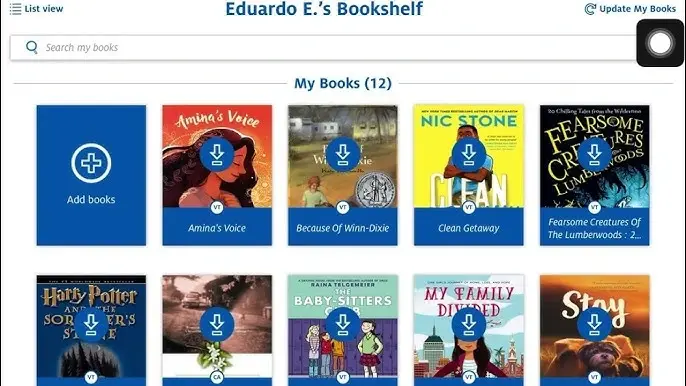
9. Vooks
Best for: Animated read-along story experiences
Age range: 3-8
Vooks is a subscription-based digital library of animated storybooks designed for children. Each title pairs on-screen text with professional narration and subtle animation, allowing children to see and hear stories simultaneously.
Unlike a traditional audiobook platform, Vooks presents books in a video-style format where illustrations are lightly animated while the story is read aloud. This format can support listening comprehension and vocabulary exposure while keeping visual attention anchored to the page.
The library includes a range of fiction and informational texts, and content is organized by age and theme.
10. Novel Effect
Best for: Immersive parent-child read-aloud experiences
Ages: 4-10
Novel Effect is different from other apps in this list in that it doesn't make you (or your child) read from a digital screen - instead, it enhances shared reading by adding synchronized music and sound effects as a parent reads aloud from a physical book. The app listens in real time and layers in audio cues that match the pacing and mood of the story, creating a more cinematic reading experience.
The platform supports a wide range of popular children’s books, allowing families to use titles they may already own. The immersive audio design can help sustain attention during storytime, particularly for children who benefit from multisensory input.
Novel Effect is designed to support engagement and enjoyment during shared reading, making it a complementary tool for building listening comprehension and positive reading habits.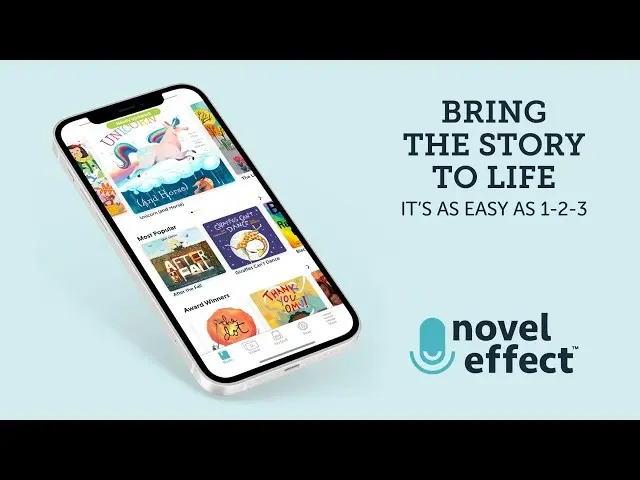
11. Readmio
Best for: Interactive parent-child read-aloud experiences
Ages: 4-9
Readmio is a storytelling app designed to enhance read-aloud sessions through voice-activated sound effects. As a parent reads the story aloud, the app listens and adds background sounds and music at the right moments, creating a more immersive experience.
The platform includes a library of original stories across different themes and lengths, allowing families to choose shorter or longer reads depending on attention span. The interactive format can help sustain engagement for children who benefit from novelty and sensory input during storytime.
Readmio is intended to support shared reading rather than independent decoding practice, making it a complementary tool for building listening comprehension, vocabulary exposure, and enjoyment of stories.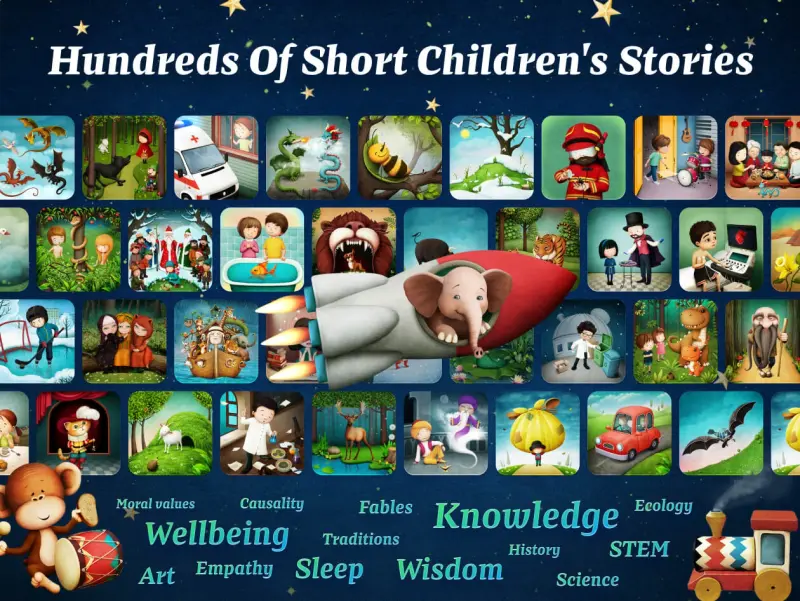
12. ReadTheory
Best for: Adaptive reading comprehension practice
Ages: 8+
ReadTheory is an online platform focused on building reading comprehension through leveled passages and adaptive questioning. Students read short nonfiction and fiction texts and answer multiple-choice questions that adjust in difficulty based on performance.
The program targets skills such as identifying main ideas, making inferences, understanding vocabulary in context, and analyzing text structure. As students progress, the system automatically adjusts passage complexity to maintain an appropriate level of challenge.
ReadTheory is designed to supplement classroom instruction by providing structured, independent comprehension practice. Progress tracking tools allow teachers and parents to monitor accuracy, growth, and time spent reading.
How to Make Reading Apps Work Better for ADHD Brains
Keep sessions short (10–15 minutes).
Use a “two-lane” approach: phonics + enjoyable read-aloud.
Make progress visible (chapters finished, streaks).
Reduce distractions (headphones, cozy corner).
Key Takeaways
ADHD reading struggles are often about comprehension and working memory - not intelligence.
Systematic phonics instruction has strong research backing.
Audiobooks and read-aloud supports protect motivation while skills develop.
The best reading apps for ADHD kids match the current bottleneck - not a marketing promise.
FAQs
Are reading apps good for ADHD kids?
They can be highly effective when matched to the right need. Research shows comprehension differences in ADHD often stem from working memory demands.
Do audiobooks count as reading?
Audiobooks support vocabulary, comprehension, and knowledge building. They complement - but don’t replace - decoding instruction.
Should I choose phonics or comprehension apps?
If decoding is weak, start with phonics. If decoding is fine but stamina or recall is weak, add narrated books. Many families benefit from both.
References:
Miller, A. C., et al. (2013). Reading comprehension in children with ADHD: Cognitive underpinnings of the centrality deficit. Journal of Abnormal Child Psychology. https://www.researchgate.net/publication/232230778_Reading_Comprehension_in_Children_with_ADHD_Cognitive_Underpinnings_of_the_Centrality_Deficit
Ehri, L. C., et al. (2001). Systematic phonics instruction helps students learn to read: Evidence from the National Reading Panel’s meta-analysis. Review of Educational Research. https://www.nifdi.org/research/journal-of-di/volume-2-no-2-summer-2002/443-systematic-phonics-instruction-helps-students-learn-to-read-evidence-from-the-national-reading-panel-s-meta-analysis/file.html