Prodigy is a really fun math (and English) game-based program that many kids love. Kids battle monsters, explore fantasy worlds, and to spells, they have to solve math problems.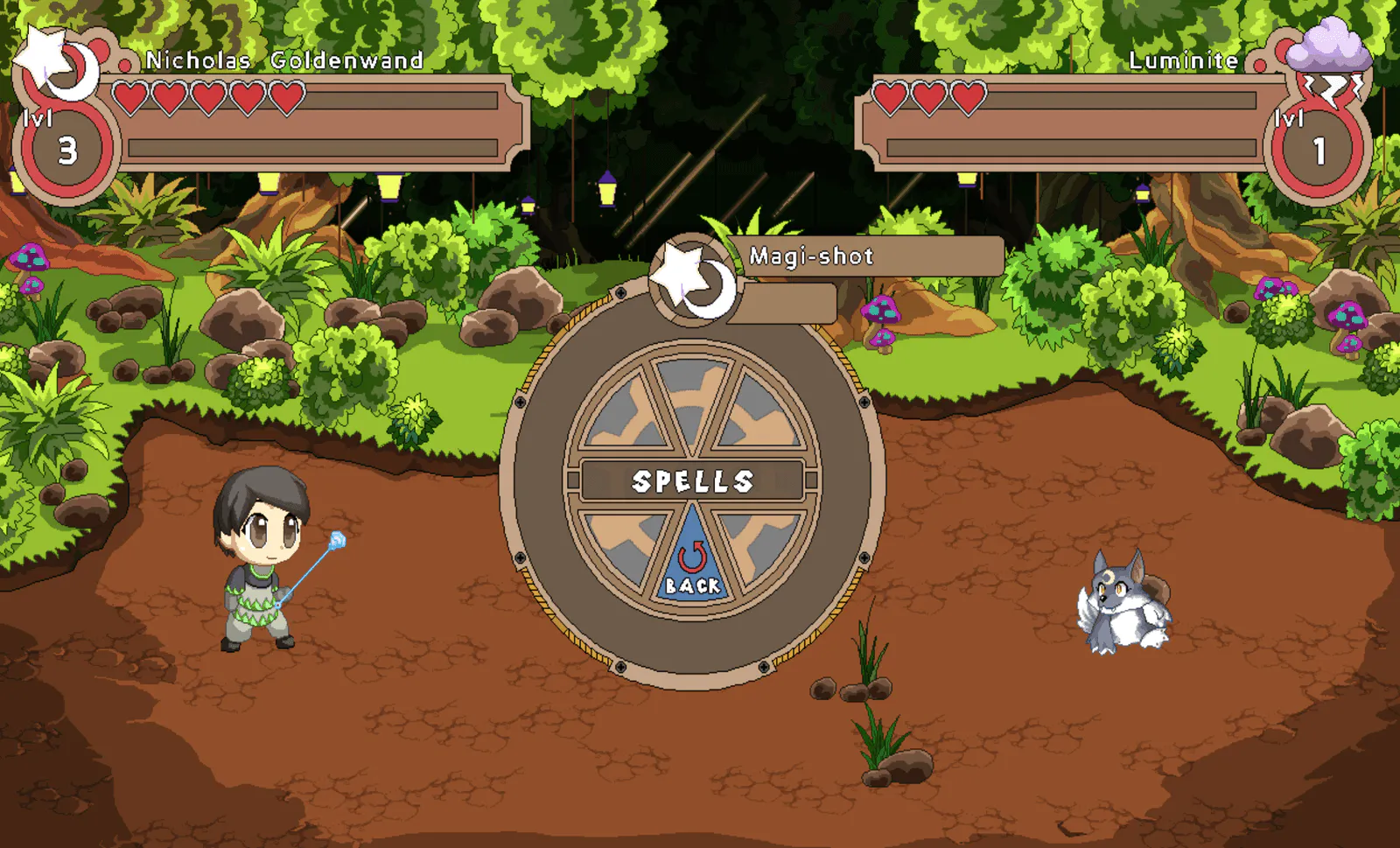
If you’re reading this, chances are your child either loves Prodigy and you’re looking for more games like it - or Prodigy isn’t quite working for your child, and you’re searching for something that fits their learning style better.
If it's the latter - you’re not alone.
While Prodigy does a lot right, many parents tell us they struggle with:
Too much focus on battles and cosmetics over learning
Pressure to upgrade or subscribe for a smoother experience (or "4x more rewards")
Timed questions that stress some kids out
Gaps in conceptual understanding - especially in early grades
To help make sense of the alternatives, I spoke with pedagogy specialists and game designers who work on math-learning games every day. Based on those conversations — and hands-on testing — here’s an honest look at the best Prodigy alternatives available right now, and how they stack up for different kinds of learners.
Best Prodigy Alternatives: A Quick Snapshot
Monster Math – Best overall Prodigy alternative for foundational math (ages 5–8)
SplashLearn – Best for curriculum coverage and worksheet-style practice (Grades 4+)
DragonBox Apps – Best for deep, topic-specific math games
Funexpected Math – Best for preschoolers who enjoy mini-games
Boddle Math – Best if your child wants even more gameplay than Prodigy
Math Makers – Best tablet-based arithmetic game for fans of Slice Fractions
For this post, I have not included worksheet-only apps like IXL - which though widely used, is also widely disliked by kids and parents for many reasons. The focus is on math games that are really fun while helping kids learn/practice math.
How I Evaluated These Prodigy Alternatives
Instead of just listing features, we looked at each app through a few key lenses that actually matter to families:
Learning quality – Does the game build real understanding or just reward speed?
Game balance – Is gameplay supporting learning, or distracting from it?
Stress & pressure – Timers, streaks, penalties, and failure states
Age fit – Who is this actually good for?
Parent experience – Pricing, supervision, and peace of mind
With that in mind, here’s what we found.
1. Monster Math (Best Overall Prodigy Alternative for Foundations)
If your child is between 5 and 8 years old and is still building core math foundations, Monster Math stands out as the strongest alternative to Prodigy - especially if Prodigy feels overwhelming or frustrating.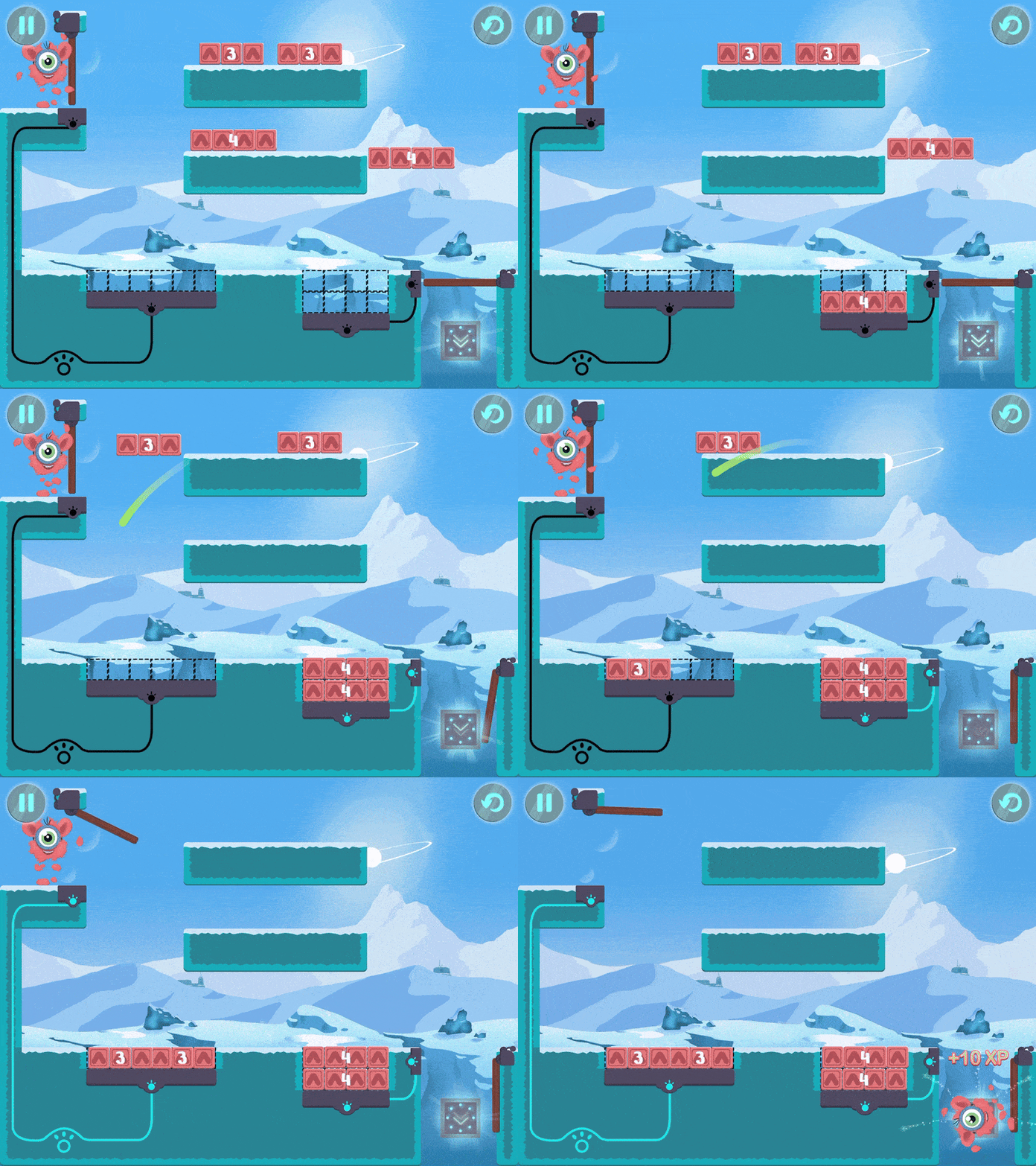
Monster Math focuses heavily on:
Number sense
Addition and subtraction strategies
Early multiplication and division
Visual and conceptual understanding
Unlike Prodigy, the game is deliberately designed to remove time pressure. Kids aren’t racing against a clock or punished for thinking slowly. Instead, they’re encouraged to reason through problems using visual models, number lines, and patterns.
Gameplay is tightly woven into learning — monsters don’t exist just as cosmetic rewards. Progress depends on understanding, not grinding.
What Monster Math Does Better Than Prodigy
No timers or speed-based rewards
Stronger focus on math strategies, not memorization
Calmer pacing for neurodivergent learners
Clear progression from concrete to abstract thinking
You can use it for free forever, with the only limit being number of levels per day.
Designed to be neuroinclusive, especially for kids with ADHD or Autism.
It’s not trying to be a massive open-world RPG - and that’s exactly why it works so well for younger kids who need explicit strategy instruction rather than drilling.
Read a more detailed comparison between Monster Math and Prodigy.
Best for: Ages 5–8, kids building foundations, children who get anxious with timed math, Neurodivergent kids.
Not ideal if: Your child wants competitive gameplay with social elements.
2. SplashLearn (Best for Curriculum Coverage)
SplashLearn takes a very different approach from Prodigy. Instead of fantasy battles, it leans closer to interactive worksheets — with animations, rewards, and short activities layered on top.
This makes SplashLearn a solid option if:
You want alignment with school curriculum
Your child is in Grade 4 or above
You prefer structured practice over open-ended gameplay
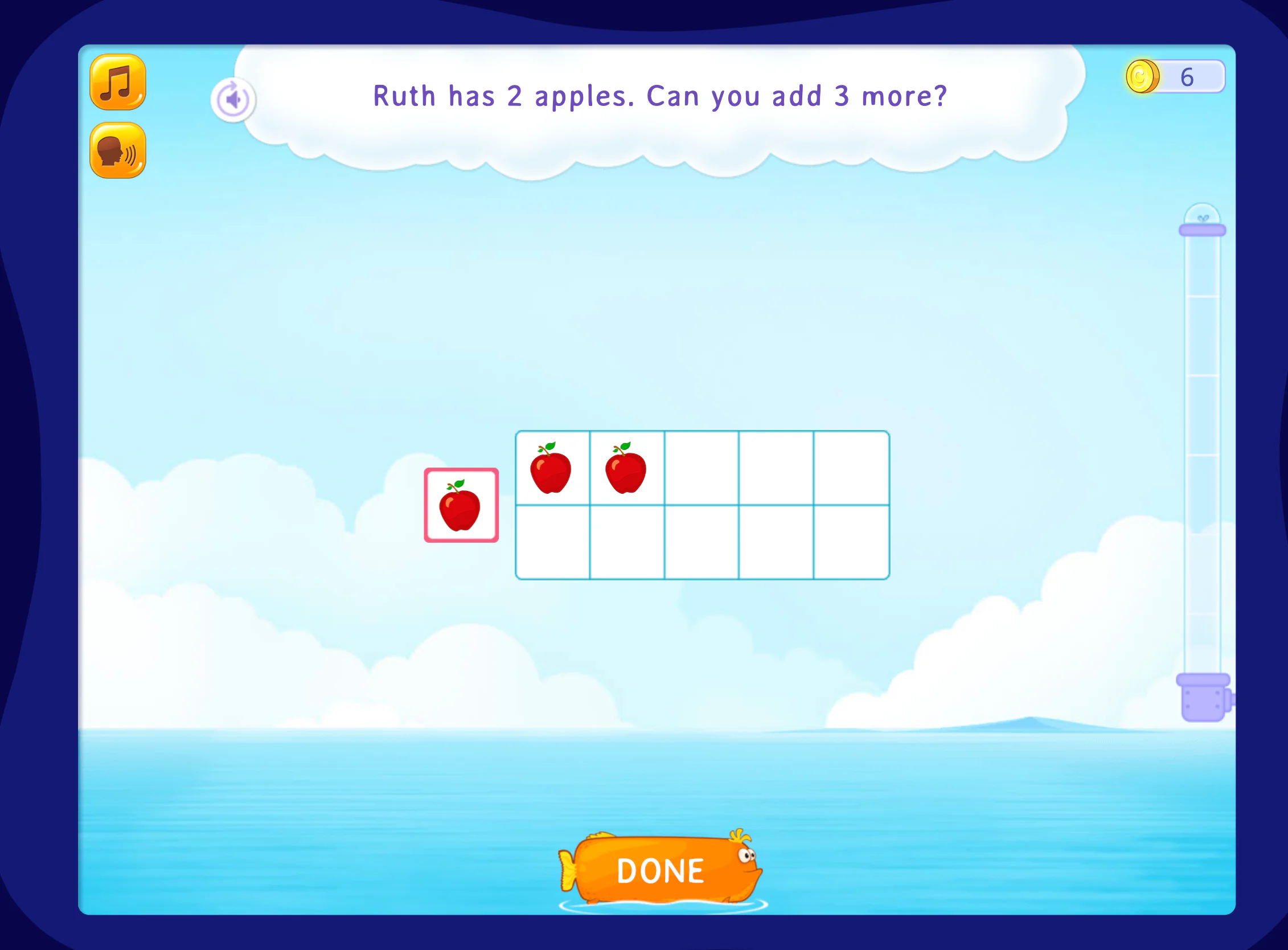
Compared to Prodigy, SplashLearn feels more predictable and less distracting. Kids move through skills systematically, and parents get clear visibility into progress.
What SplashLearn Does Better Than Prodigy
More direct alignment with standard math curriculum
Structured practice paths for systematic skill building
Clear progress tracking for parents and teachers
Less distractions from battle-style gameplay
That said, it doesn’t feel as much like a “game.” For kids who need imaginative play to stay engaged, SplashLearn can feel dry. It does have some mini-games but the core experience is more of a gamified worksheet.
Also check - how Splash learn compares with Monster Math.
Best for: Grades 4+, curriculum reinforcement, homework support
Not ideal if: Your child needs strong motivation through gameplay
3. DragonBox Apps (Best for Deep Conceptual Games)
DragonBox is often praised by educators — and for good reason.
Each DragonBox app focuses on a specific mathematical idea, such as:
Number sense
Geometry
Basic algebra
The games are beautifully designed and deeply intuitive. Kids often learn complex ideas without realizing they’re doing math at all.
What DragonBox Does Better Than Prodigy
Deep conceptual engagement with core math ideas
Highly intuitive visuals that reduce reliance on text
Puzzles that naturally build understanding from play
Less emphasis on reward loops and more on reasoning
However, DragonBox is not a full curriculum replacement. Think of it more like a set of powerful learning tools rather than an all-in-one solution.
Best for: Conceptual understanding, enrichment, math-curious kids
Not ideal if: You want one app that covers everything
4. Funexpected Math (Best for Preschoolers)
Funexpected Math is designed primarily for very young learners — typically ages 3 to 5.
Instead of worksheets or drills, it offers short, playful mini-games that introduce:
Counting
Shapes
Patterns
Early logic
If Prodigy feels far too advanced for your child, Funexpected can be a gentler entry point into math.
What Funexpected Math Does Better Than Prodigy
Playful, non-intimidating introduction to math concepts
No timed questions or performance stress
Mini-games that feel like play, not school
Great for early attention spans and basic logic
That said, school-going children often outgrow it quickly. There’s limited depth once basic concepts are mastered. Much more suited for preschoolers.
Best for: Ages 3–5, early exposure to math
Not ideal if: Your child is already working on arithmetic
5. Boddle Math (Best for Kids Who Want More Gameplay)
Boddle Math turns gameplay up even further than Prodigy.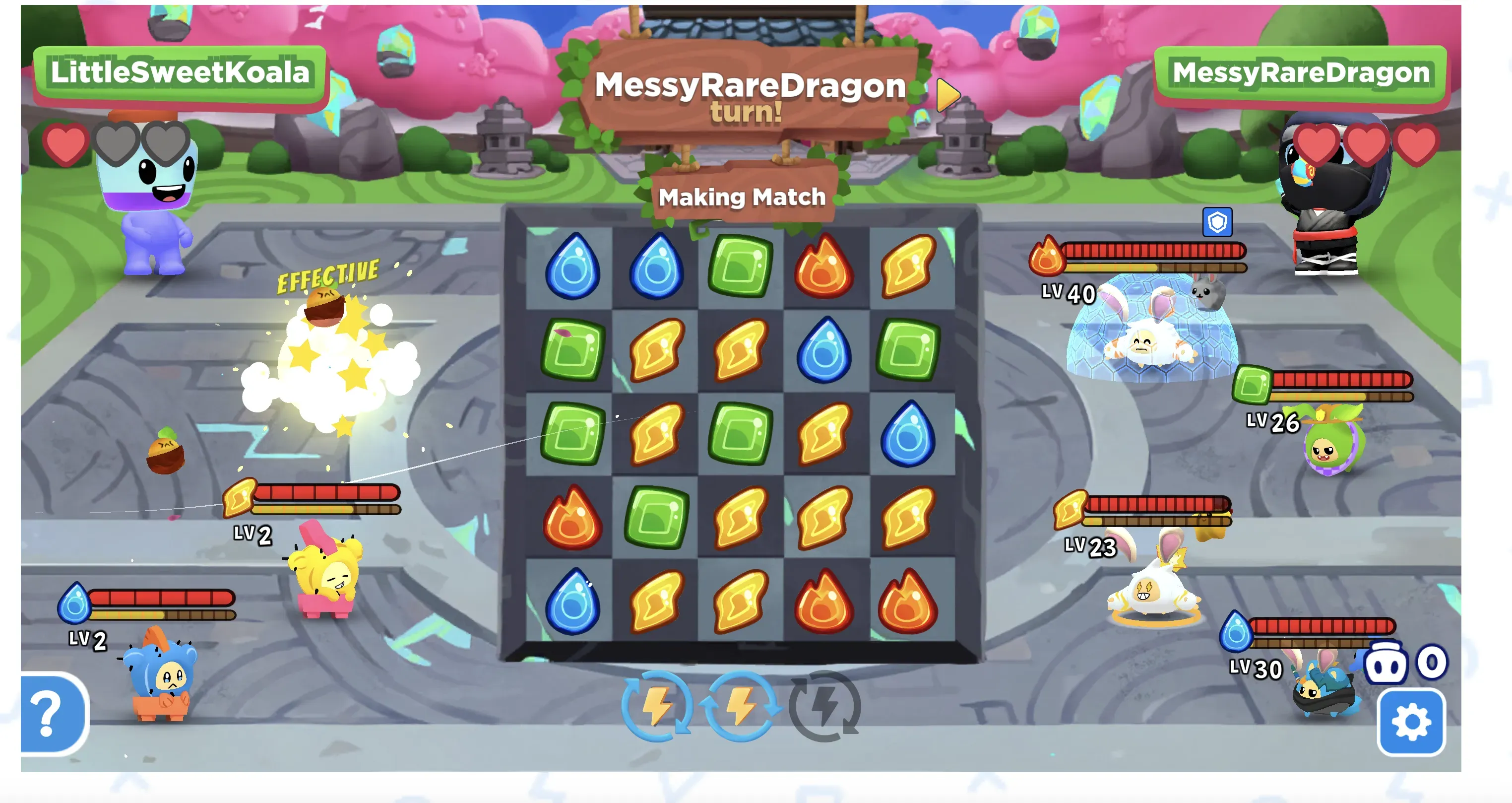
Kids earn coins, customize characters, and unlock items - sometimes to the point where the math can fade into the background.
What Boddle Math Does Better Than Prodigy
Even more game-like exploration and customization
Motivational rewards and unlockables for gameplay
Short, bite-sized challenges that feel like mini-adventures
Bright and friendly visuals that appeal to younger players
For some children, this is motivating. For others, it can become a distraction from the actual math.
Parents should also be aware of in-app consumables and the need for supervision to keep play focused.
Best for: Kids motivated by rewards and customization
Not ideal if: You want low-distraction learning
6. Math Makers (Best Tablet-Based Arithmetic Game)
Math Makers is a solid alternative if your child enjoys tactile, puzzle-like experiences - especially on tablets.
It shares design DNA with the Award winning Slice Fractions apps (made by the same team) and focuses on:
Basic arithmetic
Exploration-based learning
Minimal text and instructions
What Math Makers Does Better Than Prodigy
Hands-on, exploratory play that reinforces number sense
Less screen pressure and fewer timers
Puzzle-style challenges that feel like play
Great for tactile learners and tablet use
While it doesn’t offer the breadth of Prodigy or strategy-focussed pedagogy of Monster Math, it can work well as a supplemental, visual math tool.
Best for: Tablet users, hands-on learners
Not ideal if: You want long-term progression across grades
Final Thoughts: Which Prodigy Alternative Is Right for You?
There’s no single “best” math app for every child — but there is a best fit depending on what your child needs right now.
If your child needs strong foundations without stress → Monster Math
If you want curriculum-aligned practice for higher grades → SplashLearn
If you value deep conceptual learning albeit for specific topics → DragonBox
If your child is preschool-age → Funexpected Math
If gameplay motivation is everything → Boddle Math
If you are already a fan of Slice Fractions → Math Makers
Prodigy opened the door for game-based math learning. These alternatives show that the space has matured — with options that are calmer, deeper, and better suited to different kinds of learners.
The key is choosing a game that supports how your child thinks — not just what looks fun on the surface.