TL;DR: Most "free math apps for kids" aren't free - they're free trials with a paywall a few days in. This guide only covers apps with a real, ongoing free tier. Khan Academy (and Khan Academy Kids), Zearn Math, and ST Math Homeschool have no paid tier at all. Boddle and Prodigy Math give you the entire learning content free and only charge for cosmetic extras. And Monster Math, ABCmouse, and Starfall give you genuine free access every day, just with a cap on how much before they ask you to pay.
Type "free math apps for kids" into any app store and you'll get dozens of results, and almost all of them use the word "free" to mean something different than what parents expect. Some genuinely have no cost, ever. Some give you a week of full access before locking everything behind a subscription. Some cap you at a handful of activities a day, forever, with no trial at all. Telling those apart before you download anything - and before your child gets attached to an app that's about to ask you to pay - is the point of this guide.
Why "free" means different things across these math apps
An app store listing that says "Free" only tells you the download costs nothing. It doesn't tell you whether that's the whole story. In practice, math apps for kids tend to fall into three honest categories: apps with no premium tier to sell you on at all, apps where the actual learning content is entirely free and only cosmetic extras cost money, and apps with a real, permanent daily allowance that's smaller than the paid version but never expires. Apps that dress up a forced free trial as "free" don't belong in any of those three categories, and they're the ones parents get burned by most often, so they're left out of this guide entirely.
Apps with no paid tier at all
Khan Academy and its companion app Khan Academy Kids together cover the widest age range of anything in this list, and neither has a premium tier at all. Khan Academy Kids offers no ads and no subscriptions, with the full curriculum - every book, video, and activity - available to every child who downloads it, covering early literacy and math for ages two to eight. Once a child outgrows that, the main Khan Academy app carries the same free-forever model into grades 1 through 12 and beyond, with thousands of interactive math exercises, videos, and articles. Both are funded entirely by the non-profit behind them rather than by upselling parents. If you're weighing a broad early-learning library against a game built specifically for math fact fluency, our comparison of Khan Academy Kids and Monster Math covers where each one fits best - including that the two age ranges overlap enough that many families reasonably use both.
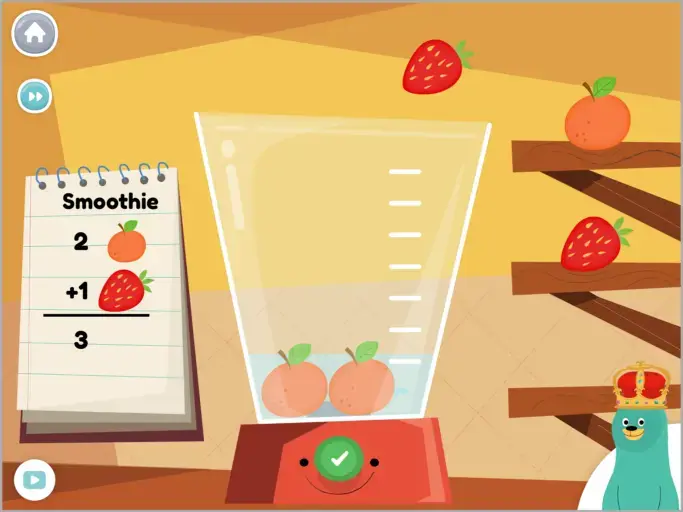
Zearn Math is less of a household name than Khan Academy but is widely used inside US schools, and it's just as genuinely free for families. Parents can create a free account and add their child to it to access Zearn's full K-8 math curriculum at no cost; the paid tier exists only for schools and districts that want extra administrative features and printed materials, not for individual families using it at home. Zearn tends to suit older kids who want video-led instruction across a full curriculum, while our closer look at Zearn Math against Monster Math covers where a game-based, fluency-focused approach fits better instead.
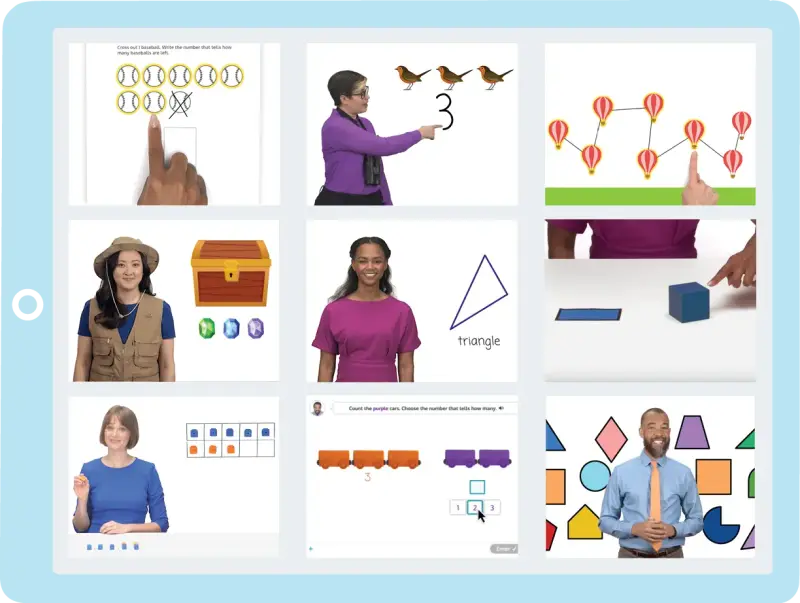
ST Math Homeschool is worth a specific caveat. Families can access ST Math's full PreK-8 visual math curriculum at no cost, with the provider's own page stating this is available "until further notice" rather than as a permanent commitment. It's genuinely free today, with no trial and no cap on the curriculum, but it's the one app in this list where "free forever" isn't a guarantee.
Apps where the learning content is free and only extras cost money
Boddle Learning is used by millions of students through their schools, but individual families can create their own free account too. A basic Boddle account gives a child full access to all of Boddle's learning content, more than 35,000 math and ELA questions, with no trial or expiry. The optional Premium membership only adds extra in-game rewards and items to keep kids motivated - it doesn't unlock anything that was blocking actual learning.
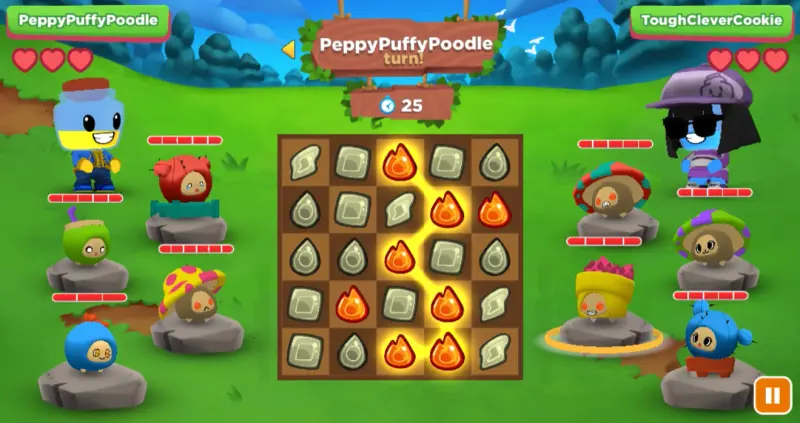
Prodigy Math works the same way. Prodigy's math and English content - over 45,000 curriculum-aligned questions for grades 1 to 8 - is free, along with a basic parent dashboard. What sits behind a membership is cosmetic: in-game rewards, pets, and gear, plus science questions for kids using the science content. A closer look at how it stacks up against a fluency-first app is in Prodigy vs Monster Math: Which Math Game Is Better For Kids? Between the two, the difference isn't how much content is free - it's whether your child cares about earning in-game pets and gear.
Apps with a real daily allowance
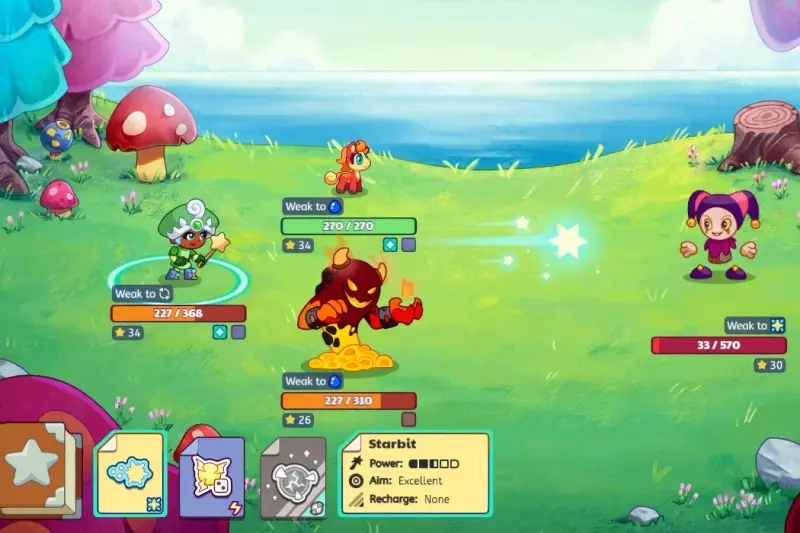
Monster Math is built around math fact fluency for kindergarten through 3rd grade, and its free version lets a child play 10 levels a day at no cost, with that limit resetting every calendar day. There's no trial clock running out on you here - just a daily allowance that starts over tomorrow, which makes it possible to build real practice habits over weeks or months without ever paying.

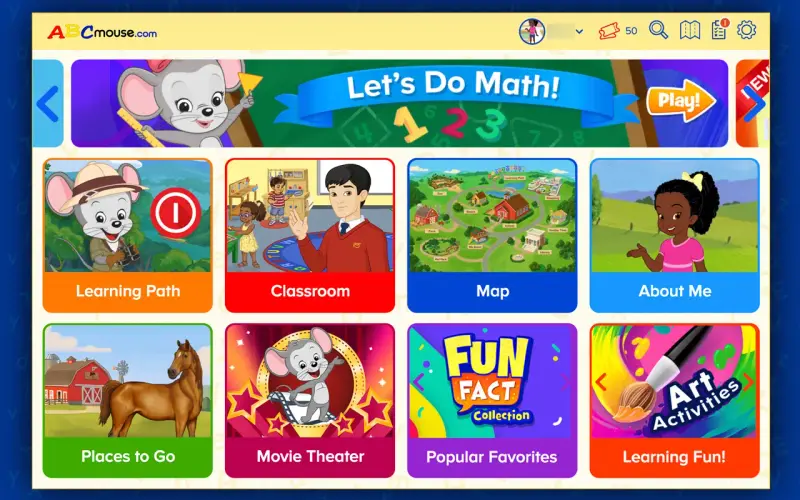
ABCmouse caps by activity count rather than by level, and it covers a wider spread of subjects than a pure math app. ABCmouse's Basic Access is completely free, with no payment or trial required, giving a child up to 10 learning activities per day across reading, math, science, and art, refreshing every 24 hours. It skews younger than most of the other apps here - its core range is preschool through 2nd grade - so it's a better fit for the youngest kids in the house than for an older elementary student.
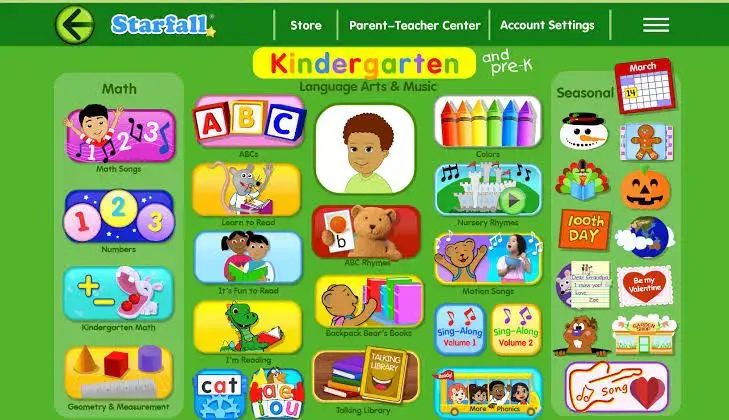
Starfall caps by library size rather than by day. A meaningful slice of Pre-K through 3rd grade math and reading content is free indefinitely, while a $35/year Home Membership unlocks the full library of roughly 700 activities. Unlike Monster Math and ABCmouse, there's no daily reset to think about - the free content is just permanently smaller than the paid library, not time-limited. If you're weighing a broader, worksheet-style curriculum against a fluency-focused one, our comparison of Starfall and Monster Math breaks down which fits better depending on whether your child needs practice breadth or focused fact fluency.
What to actually check before you download anything
A few minutes of checking before your child gets attached to an app can save you a frustrating conversation later. Look at the app store listing itself, not just the marketing copy - Apple and Google both require developers to disclose in-app purchases, and that single line ("In-App Purchases: Yes/No") tells you more than any description will. Search the app name plus "free trial" before downloading, since apps that gate content behind a trial usually have that surfaced in reviews within the first few results. And if an app's free tier feels unusually generous with no clear limit mentioned anywhere, that's often a sign the limit shows up only after your child is a few days in - check the developer's own help center or support pages for the actual terms rather than assuming.
So which free option is actually worth your child's time?
For the youngest kids, Khan Academy Kids and ABCmouse both cost nothing to start with, though ABCmouse's daily activity cap means a motivated young learner may bump into it. Once a child outgrows the earliest stage, the main Khan Academy app, Zearn Math, and ST Math Homeschool all carry that same no-paid-tier model further into elementary and middle school math - just remember ST Math's free access isn't guaranteed to last. If your child gets motivated by earning rewards and collecting things, Boddle and Prodigy give you the full curriculum for free and only charge for the cosmetic layer on top.
If your priority is specifically math fact fluency - the kind of quick, confident recall that makes everything from mental addition to multiplication feel automatic - Monster Math is built around exactly that, for kindergarten through 3rd grade, wrapped in a story-driven adventure rather than a worksheet feel. Ten levels a day is a real daily habit, not a teaser, and it costs nothing to find out whether the format clicks for your child. Starfall rounds things out as another genuinely free long-term option, capping by total library size rather than by day.
FAQs:
1. Are any of these apps free forever with absolutely no ads or purchases?
Yes - Khan Academy, Khan Academy Kids, and Zearn Math are all fully free with no ads and no in-app purchases, confirmed directly through their own official pages. ST Math Homeschool is currently free too, though its provider states this is available "until further notice" rather than as a permanent guarantee.
2. Is Monster Math's free version enough to actually learn from, or is it too limited?
Ten levels a day is enough for a consistent short practice session, and because the limit resets daily rather than running out permanently, a child can build fact fluency over weeks without ever paying. Families who want more daily play time would need to subscribe.
3. Is ABCmouse's free tier only for reading, or does it include math too?
Math is one of the subjects covered in ABCmouse's 10-free-activities-per-day allowance, alongside reading, science, and art - it isn't a math-only app, but math practice is included in what's free, with no separate paywall just for the math content.
4. Is Starfall's free version actually usable, or just a teaser?
The free tier covers a genuine slice of Pre-K through 3rd grade math and reading activities, not just a preview screen - it's meant to be used on its own, not just to get you to upgrade. Families who want the full roughly 700-activity library would need the paid Home Membership.